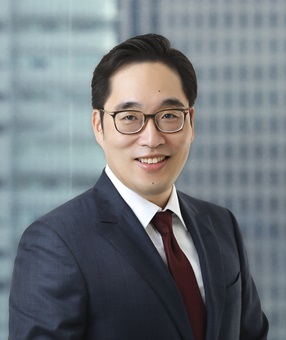
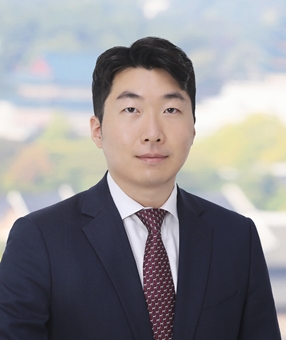
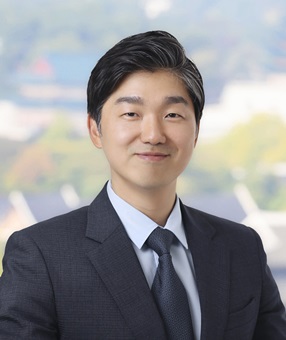
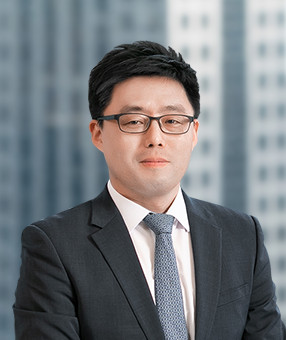
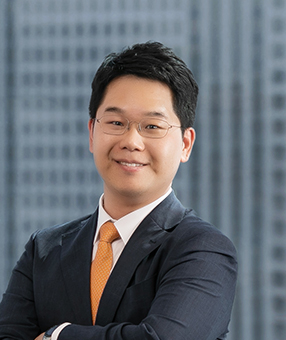
On March 31, 2026, President Lee Jae-myung approved the appointment of four Commissioners to the KMCC, as recommended by the National Assembly. Together with Chairperson Kim Jong-cheol and Non-standing Commissioner Ryu Shin-hwan, who were previously designated by the President, the KMCC now has established a six-member panel. While one standing Commissioner position allocated to the opposition party remains vacant, with the new appointment, the KMCC has now met its quorum requirement of at least four members. Accordingly, the KMCC is expected to resume normal operations shortly.
The KMCC was launched in October 2025 as part of a restructuring of the former Korea Communications Commission, with an additional mandate over “media” functions. However, delays in appointing Commissioners hindered its ability to deliberate and resolve agenda items. On April 1, Chairperson Kim stated that “while not yet a full panel, it has taken six months since the enactment of the KMCC Act to reach a point where we can begin addressing the backlog of pending matters,” signaling that long-delayed deliberations and resolutions are likely to commence in the near term. He also indicated on March 30 that the KMCC would prioritize the establishment of its administrative and legal framework, suggesting an intent to swiftly address outstanding subordinate legislation following the statutory reform and accumulated issues in the media ecosystem.
The inaugural composition of the KMCC reflects a multidisciplinary group of experts in law, media, and management. Key backgrounds of the six Commissioners are as follows:
-
Kim Jong-cheol, Chairperson: A professor at Yonsei University Law School and a constitutional law scholar with recognized expertise in media law. He has served as President of the Korean Society for Media Law, Ethics, and Policy Research, the Korean Public Law Association, and the Korean Association of Human Rights Law, among other academic roles. He has also held various public positions, including Vice Chair of the National Constitutional Advisory Committee, and research fellow at the Korea Communications Ethics Committee.
-
Ko Min-su, Standing Commissioner: A constitutional law scholar and former member of the Broadcasting Commission. He specialized in constitutional law during his LL.M. and Ph.D. studies at Yonsei University College of Law, after obtaining a bachelor’s degree from the same University. He has served as Vice President of the Korean Constitutional Law Association and as a director of the Korean Association of Law Professors, and was previously a professor at Kangwon National University. Earlier in his career, he worked as a journalist at JTV Jeonju Broadcasting.
-
Ryu Shin-hwan, Non-standing Commissioner: A lawyer who has practiced at Jihyang Law Firm. He has been actively engaged in media and press-related matters, serving as an executive committee member of the Media Victims Relief Center, a viewer committee member of the SBS, and a news review committee member of the Internet Newspaper Commission. He is widely regarded as a media law expert focused on protecting users’ rights and providing remedies for media-related harm.
-
Yoon Sung-ok, Non-standing Commissioner: A professor in the department of Media and Communication at Kyonggi University and a specialist in media and broadcasting policy. She previously served as a member of the Korea Communications Standards Commission and has extensive experience in broadcasting and telecommunications content review and media policy.
-
Lee Sang-geun, Non-standing Commissioner: A professor at Sogang University’s School of Business and a specialist in management and organizational studies. He previously taught at Ajou University. He has been actively engaged in academic research and teaching in management and organizational studies, and, as a scholar of management information systems, is known to have a particular interest in the digital platform sector.
-
Choi Soo-young, Non-standing Commissioner: An expert in the media content industry and currently chair of the Seoul Single-Person Media Content Association. He previously served as Head of Strategic Planning at Korea Media Foundation and brings substantial experience in content industry operations and media institution management.
Related Topics